

If the word cybersecurity sounds intimidating to you, you’re not alone. Many newcomers feel the same way. Firewalls, hackers, malware, phishing, it can all feel like a foreign language. But here’s the truth: cybersecurity is not only for experts or tech geniuses. Anyone can learn it, especially when it’s taught the right way.
Think of cybersecurity like learning to drive. You don’t start on a racing track. You begin in an empty parking lot, learning where the pedals are and how to steer. A simple cybersecurity course for newcomers works the same way, it helps you start from zero and build confidence step by step.
This guide is designed for complete beginners. No technical background. No prior experience. Just curiosity and the desire to understand how to stay safe and skilled in today’s digital world.
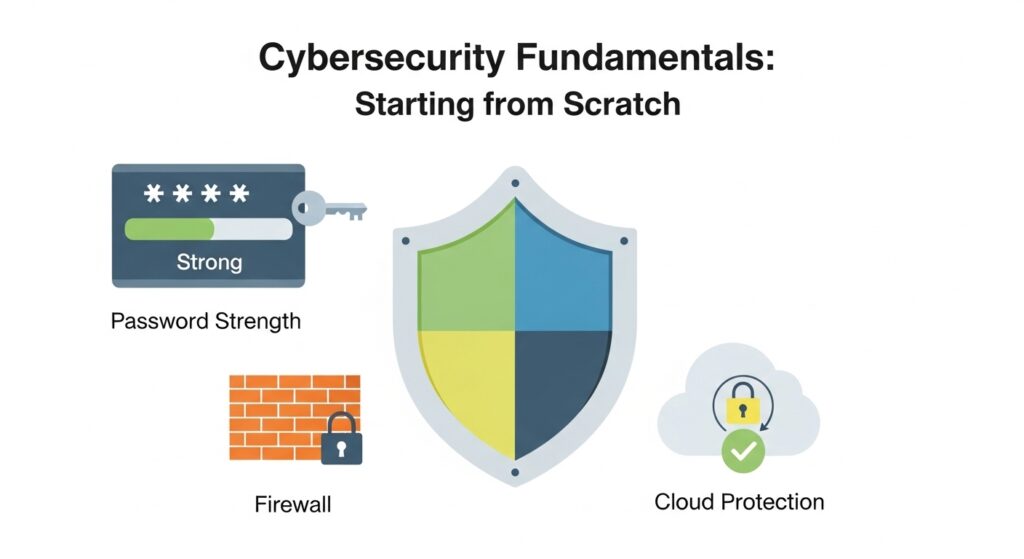
1. What Is Cybersecurity in Simple Words
Cybersecurity is about protecting digital things, like computers, websites, apps, and data—from misuse or attacks.
If you use:
- A smartphone
- A computer
- The internet
- Online banking
- Email or social media
…then cybersecurity already affects you.
At its core, cybersecurity is about keeping the bad guys out and your information safe.
2. Who Is This Cybersecurity Course For
A simple cybersecurity course for newcomers is perfect for:
- Students with no technical background
- Career switchers exploring new fields
- Office workers handling digital data
- Startup founders and small teams
- Anyone worried about online safety
You don’t need to be a programmer. You don’t need to be “good with computers.” You just need the willingness to learn.
3. Why Starting from Zero Is Totally Okay
Many beginners feel embarrassed about starting from scratch. But starting from zero is actually an advantage.
Why?
- You learn concepts correctly from the beginning
- You don’t carry bad habits
- You build strong foundations
Cybersecurity rewards curiosity, not ego. Every expert you see today once didn’t know what a firewall was.
4. Common Cyber Threats Explained Simply
Let’s break down common threats without scary language.
Hackers
People who try to access systems without permission.
Phishing
Fake emails or messages that trick you into sharing passwords.
Malware
Bad software that damages or spies on your device.
Ransomware
Malware that locks your data and demands money.
Understanding these threats is the first step to protecting yourself.
5. The Core Foundations of Cybersecurity
Every simple cybersecurity course starts with three basic ideas:
Confidentiality
Only the right people should see information.
Integrity
Information should not be changed without permission.
Availability
Systems and data should be accessible when needed.
These three ideas guide everything in cybersecurity, even at advanced levels.
6. Understanding Hackers Without Fear
Movies make hackers look like supervillains typing at lightning speed. Reality is much simpler.
Most attacks happen because of:
- Weak passwords
- Old software
- Human mistakes
Hackers often take the easiest path. That’s why basic security knowledge can stop many attacks before they start.
7. Passwords, Identity, and Online Safety
Passwords are often the weakest link.
Beginner-friendly password tips:
- Use long passwords, not short ones
- Avoid reusing the same password
- Enable two-factor authentication
- Use password managers if possible
Protecting identity online is one of the easiest and most important cybersecurity habits to learn early.
8. Basics of Network and Internet Security
You don’t need to be a network engineer to understand the basics.
At a simple level:
- The internet connects devices
- Data travels through networks
- Attackers try to intercept or misuse that data
Cybersecurity teaches you how to protect these connections using simple concepts like secure connections and safe browsing.
9. Malware, Viruses, and Phishing Explained
Malware is like a digital illness. It enters your system through:
- Unsafe downloads
- Fake links
- Infected email attachments
Phishing is social engineering, tricking people instead of systems.
Learning to spot suspicious links and messages is a beginner superpower.
10. Data Protection for Beginners
Data is everywhere, photos, documents, emails, customer details.
A simple cybersecurity course teaches:
- Why data matters
- How data gets stolen
- Basic ways to protect it
Think of data like personal belongings. You wouldn’t leave them unattended in public.
11. Learning Cybersecurity Without Technical Jargon
One of the biggest barriers for newcomers is complex language.
Good beginner courses:
- Use simple words
- Explain terms slowly
- Avoid unnecessary technical details
- Focus on understanding, not memorization
Cybersecurity doesn’t have to feel like reading a textbook in a foreign language.
12. How Simple Courses Make Learning Easier
A simple cybersecurity course focuses on:
- Short lessons
- Clear examples
- Real-life situations
- Gradual progress
It’s like building with blocks instead of jumping straight into architecture.
For global best practices in understanding common security risks, many educators reference the OWASP Top 10, a trusted industry resource that explains major security issues in plain terms:.
This helps learners see how basic concepts apply in real systems.
13. How Safelora Helps Newcomers Start from Zero
Safelora is designed for people who want clarity, not complexity.
Their beginner-focused cybersecurity learning:
- Starts from absolute basics
- Uses practical explanations
- Avoids unnecessary jargon
- Supports individuals and small teams
If you’re looking for a platform that understands beginners, you can explore their learning resources here:
Best Pre-Recorded Cybersecurity Training Videos for Beginners
This makes Safelora a strong starting point for anyone new to cybersecurity.
14. Creating a Beginner-Friendly Learning Routine
You don’t need hours every day.
A simple routine could be:
- 15–30 minutes daily
- One lesson at a time
- Notes in plain language
- Regular revision
Consistency matters more than speed.
15. What Comes After Your First Cybersecurity Course
Once you complete a simple beginner course, you can:
- Explore intermediate topics
- Learn specific skills
- Try hands-on practice
- Prepare for certifications
Starting from zero doesn’t limit you, it prepares you.
Conclusion
A simple cybersecurity course for newcomers proves one important thing: you don’t need to be technical to start. Cybersecurity is about awareness, habits, and understanding risks before they turn into problems.
By starting from zero with the right course, you replace fear with confidence and confusion with clarity. In a digital world, that knowledge is not optional, it’s empowering.
Whether you’re protecting personal data or preparing for a future career, learning cybersecurity the simple way is one of the smartest steps you can take.
Frequently Asked Questions (FAQs)
1. Can I learn cybersecurity with zero technical background?
Yes, many beginner courses are designed specifically for non-technical learners.
2. Is a simple cybersecurity course enough to get started?
Absolutely. Strong fundamentals make advanced learning much easier later.
3. How long does it take to learn cybersecurity basics?
With consistent effort, most beginners understand core concepts within a few weeks.
4. Do I need expensive tools to learn cybersecurity?
No. Beginner courses focus on concepts and awareness, not costly tools.
5. Is cybersecurity useful even if I don’t want a tech career?
Yes. Cybersecurity knowledge helps everyone stay safe in the digital world.