

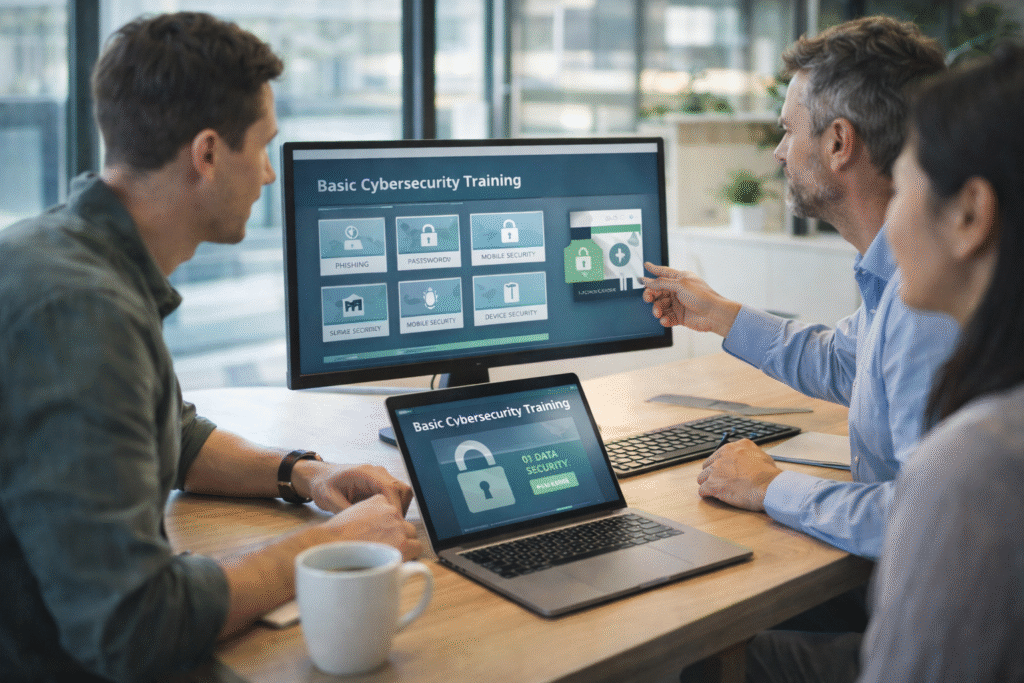
In a fast-paced digital world, time is one of the most valuable resources. Many people want to learn cybersecurity but feel they don’t have the time to commit to long courses. That’s where cybersecurity training short modules come in. These bite-sized lessons make it possible to build strong cybersecurity awareness quickly and effectively.
This article explains what short cybersecurity modules are, why they work, who they’re best for, and how they help individuals and organizations stay secure without overwhelming learners.
What Are Cybersecurity Training Short Modules?
Cybersecurity training short modules are compact learning units that focus on a single topic or skill. Instead of covering multiple subjects in one long session, each module delivers targeted knowledge in a short time often 5 to 15 minutes.
Each module typically includes:
- A focused lesson on one cybersecurity topic
- Real-world examples or scenarios
- Simple explanations with visuals or videos
- A short quiz or checklist
This format allows learners to absorb information quickly and apply it immediately.
Why Short Cybersecurity Modules Are So Effective
Short modules are designed around how people actually learn best.
1. Better Attention and Retention
Long training sessions often lead to fatigue and reduced concentration. Short modules keep learners engaged by:
- Delivering information in small chunks
- Reducing cognitive overload
- Encouraging frequent review
This approach improves retention and understanding.
2. Easy to Fit into Busy Schedules
Short modules are ideal for:
- Working professionals
- Students
- Employees with limited training time
Learners can complete a module during a break, commute, or between tasks.
3. Immediate Practical Application
Each module focuses on a real-world scenario, allowing learners to:
- Apply lessons immediately
- Improve daily cybersecurity habits
- Identify threats more confidently
Quick learning leads to quick protection.
Common Topics Covered in Cybersecurity Short Modules
Cybersecurity training short modules focus on the most common and dangerous threats faced by users.
1. Phishing and Email Security
This module teaches learners:
- How to identify phishing emails
- Common red flags in messages
- What to do if they click a suspicious link
Since email is a major attack vector, this topic is essential.
2. Password Security and Authentication
Password-focused modules cover:
- Creating strong passwords
- Avoiding password reuse
- Using password managers
- Understanding multi-factor authentication (MFA)
These lessons reduce the risk of account compromise.
3. Safe Internet Browsing
Learners understand:
- How to recognize secure websites
- Why HTTPS matters
- How fake websites operate
- How to avoid malicious ads and downloads
Safe browsing habits protect users from malware and scams.
4. Device and Mobile Security
Modules explain:
- How to secure smartphones and laptops
- The importance of software updates
- Protecting devices from theft or loss
- Using antivirus and firewall tools
These lessons help keep devices safe everywhere.
5. Social Engineering Awareness
Social engineering modules teach learners:
- How attackers manipulate human behavior
- Common tactics used in phone calls and messages
- How to verify requests before acting
This knowledge helps prevent human-based attacks.
Who Should Use Cybersecurity Training Short Modules?
Short cybersecurity modules are suitable for a wide audience.
Individuals
- Beginners learning cybersecurity basics
- Remote workers
- Freelancers
- Students
Organizations
- Employees across all departments
- Non-technical staff
- New hires during onboarding
- Teams needing regular refreshers
Short modules work well as standalone lessons or as part of a larger training program.
Benefits for Businesses and Teams
For organizations, cybersecurity short modules offer major advantages.
1. Minimal Disruption
Employees don’t need to pause work for long training sessions. Short modules fit easily into the workday.
2. Consistent Awareness
Regular short training keeps cybersecurity top of mind. Employees are less likely to forget best practices.
3. Reduced Human Error
Since many cyber incidents occur due to mistakes, short modules help:
- Improve decision-making
- Increase awareness of threats
- Reduce risky behaviors
This leads to fewer security incidents.
How Short Modules Improve Learning Over Time
Cybersecurity training is most effective when it’s continuous. Short modules support:
- Repetition and reinforcement
- Gradual skill building
- Easier updates as threats evolve
Instead of overwhelming learners once a year, short modules provide steady learning throughout the year.
How to Learn Effectively Using Short Cybersecurity Modules
To get the most out of short modules, follow these tips:
Set a Learning Schedule
Complete one or two modules per week.
Apply Lessons Immediately
Use what you learn in real situations.
Review Past Modules
Repetition strengthens memory.
Encourage Discussion
Talk about lessons with colleagues or peers.
Consistency is more important than speed.
Why Online Short Modules Are Ideal
Online platforms make short cybersecurity modules even more effective by offering:
- Mobile-friendly access
- On-demand learning
- Interactive quizzes
- Progress tracking
At Safelora.com, short cybersecurity modules are designed to deliver maximum impact in minimal time.
Final Thoughts
Cybersecurity training doesn’t have to be long or complicated to be effective. Cybersecurity training short modules provide a practical, time-efficient way to build strong security awareness and reduce cyber risks.
By focusing on essential topics and delivering them in bite-sized lessons, short modules empower individuals and organizations to stay secure without disrupting daily routines.
To start learning cybersecurity the smart way, explore short training modules at: 👉 https://Safelora.com/
FAQs
Short modules are bite-sized cybersecurity lessons focused on one topic at a time, usually lasting 5–15 minutes.
Yes, short modules improve retention, engagement, and real-world application of cybersecurity practices.
Busy professionals, employees, students, and beginners benefit most from short learning modules.
Phishing awareness, password security, safe browsing, device security, and social engineering.
Yes, they are ideal for employee awareness training and regular cybersecurity refreshers.