

Running a business today means running a digital business, whether you sell online, manage customer data, use cloud tools, or simply rely on email and payments. And where there’s digital activity, there’s cyber risk. The uncomfortable reality is this: business owners are now prime targets for cyberattacks.
You might think hackers only go after big corporations. In reality, small and mid-sized businesses are often attacked more frequently because they usually lack proper security training. Cybercriminals know this, and they exploit it.
Think of cybersecurity like business insurance. You hope you never need it, but when something goes wrong, it can save your entire company. Cybersecurity training for business owners is no longer optional. It’s a smart, proactive step to protect your revenue, reputation, and customers, starting today.
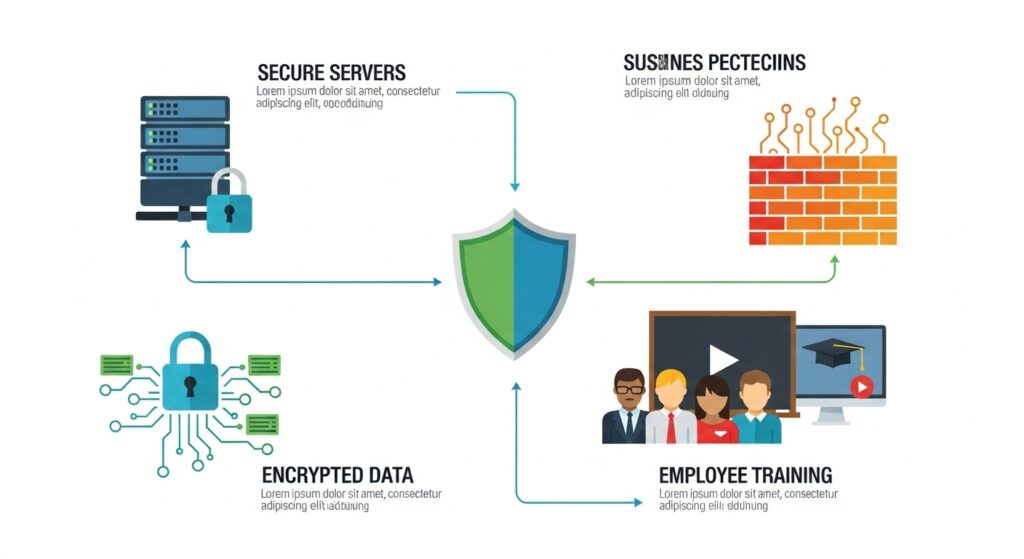
1. Why Business Owners Are Top Cyber Targets
Cybercriminals don’t just look for size, they look for opportunity.
Businesses are targeted because they:
- Handle sensitive customer data
- Process online payments
- Use email and cloud tools daily
- Often lack formal security training
Small businesses are especially attractive because attackers assume weaker defenses. Cybersecurity training helps close that gap.
2. The Real Cost of a Cyberattack on a Business
A cyberattack doesn’t just cause technical problems, it creates business problems.
Potential impacts include:
- Financial losses
- Downtime and lost productivity
- Legal and compliance issues
- Damage to brand reputation
- Loss of customer trust
Many businesses never fully recover after a major cyber incident. Training is far cheaper than recovery.
3. What Is Cybersecurity Training for Business Owners
Cybersecurity training for business owners focuses on awareness, decision-making, and prevention, not deep technical skills.
It teaches you:
- How cyberattacks happen
- Where your business is most vulnerable
- What questions to ask your IT team or vendors
- How to reduce risk with simple actions
You don’t need to become a security expert, you need to become a security-aware leader.
4. Common Cyber Threats Facing Companies Today
Understanding threats is the first step toward prevention.
Most common business cyber threats include:
- Phishing emails
- Ransomware attacks
- Weak or stolen passwords
- Insecure websites and apps
- Insider threats (accidental or intentional)
These threats often exploit human behavior, not just technology.
5. Why Technology Alone Is Not Enough
Many businesses invest in tools, firewalls, antivirus software, cloud security, but still get breached.
Why?
Because people make mistakes.
Cybersecurity training ensures:
- Employees recognize threats
- Owners make informed decisions
- Security tools are used correctly
Technology supports security, but people drive it.
6. Cybersecurity Basics Every Business Owner Must Know
You don’t need jargon. You need clarity.
Core cybersecurity basics include:
- Strong password practices
- Multi-factor authentication
- Software updates and patching
- Secure backups
- Access control
These basics stop a large percentage of real-world attacks.
7. Protecting Customer and Company Data
Customer data is trust. Once lost, it’s hard to regain.
Business owners must understand:
- What data they collect
- Where it’s stored
- Who has access to it
- How it’s protected
Data protection is not just a technical issue, it’s a legal and ethical responsibility.
8. Email, Phishing, and Social Engineering Risks
Phishing is one of the most common ways businesses are attacked.
Attackers use:
- Fake invoices
- Urgent messages
- Spoofed emails
- Social media messages
Cybersecurity training helps business owners and employees learn how to spot red flags before damage is done.
9. Securing Payments, Websites, and Online Tools
If your business accepts payments or runs a website, security matters even more.
Training covers:
- Secure payment gateways
- HTTPS and website security
- Safe use of third-party tools
- Vendor risk awareness
A single weak integration can expose your entire operation.
10. Employee Awareness and Human Error
Employees are not the problem, they’re the solution when trained properly.
Cybersecurity training helps teams:
- Recognize suspicious activity
- Follow secure processes
- Avoid accidental data leaks
- Respond correctly to incidents
An aware employee is one of the strongest security assets a business can have.
11. Cybersecurity for Small vs Large Businesses
Large businesses have security teams. Small businesses rely on smart habits.
For small and mid-sized companies:
- Simpler systems mean simpler protection
- Training offers high return on investment
- Awareness reduces most common risks
Cybersecurity training levels the playing field.
12. Creating a Security-First Business Culture
Security should be part of daily business thinking, not an afterthought.
A strong culture includes:
- Leadership involvement
- Clear security policies
- Ongoing awareness
- Encouraging questions and reporting
When owners take security seriously, employees follow.
For understanding widely recognized security risks that affect businesses globally, many organizations refer to the OWASP Top 10, a trusted industry framework outlining common application security issues:.
This helps business leaders understand where real risks lie.
13. How Safelora Helps Business Owners Stay Secure
Safelora focuses on practical cybersecurity training designed for real businesses, not just IT professionals.
Their approach helps business owners:
- Understand cybersecurity in simple terms
- Identify risks specific to their operations
- Learn prevention strategies without complexity
You can explore Safelora’s cybersecurity resources and training options here: Simple Cybersecurity Course for Newcomers: Start from Zero
This makes Safelora a valuable partner for businesses that want protection without overwhelm.
14. Simple Steps You Can Take Today
You don’t need to wait months to improve security.
Start today by:
- Reviewing password practices
- Enabling multi-factor authentication
- Training staff on phishing awareness
- Backing up critical data
- Learning basic cybersecurity principles
Small steps today prevent big problems tomorrow.
15. Future-Proofing Your Business Against Cyber Threats
Cyber threats will continue to evolve, but so can your business.
Ongoing cybersecurity training ensures:
- Better decision-making
- Reduced risk
- Stronger customer trust
- Long-term resilience
Security is not a one-time task. It’s a business habit.
Conclusion
Cybersecurity training for business owners is no longer a “nice-to-have.” It’s a core business requirement. In a digital-first world, protecting your company means understanding the risks and knowing how to reduce them.
The good news? You don’t need advanced technical skills to make a real difference. With the right training, awareness, and mindset, you can protect your company, your customers, and your future, starting today.
Frequently Asked Questions (FAQs)
1. Do business owners really need cybersecurity training?
Yes. Owners make key decisions and set the tone for how security is handled across the company.
2. Is cybersecurity training only for large companies?
No. Small and mid-sized businesses are often at greater risk due to limited resources.
3. How long does cybersecurity training take for business owners?
Basic training can be completed in a short time and still deliver strong protection benefits.
4. Can training really prevent cyberattacks?
Training significantly reduces risk by preventing common mistakes and improving awareness.
5. Where should business owners start with cybersecurity?
Start with basic training, strong passwords, employee awareness, and trusted platforms like Safelora.