

Cybersecurity is one of those topics everyone talks about, but very few people know where to start. If you’re a beginner in the USA wondering whether cybersecurity is too technical, too expensive, or too overwhelming, let’s clear something up right away:
Cybersecurity basics are easier to learn than most people think.
You don’t need to be a programmer.
You don’t need an IT degree.
And you definitely don’t need to understand hacking movies.
An introductory cybersecurity course online for beginners in the USA is designed to meet people exactly where they are, curious, cautious, and ready to learn something useful.
Think of cybersecurity like learning basic financial literacy. You may not become an accountant, but knowing how to budget, avoid scams, and protect your money makes life safer. Cybersecurity works the same way, only it protects your digital life.
This guide explains what beginners should expect, what they’ll learn, and why starting now is a smart move.
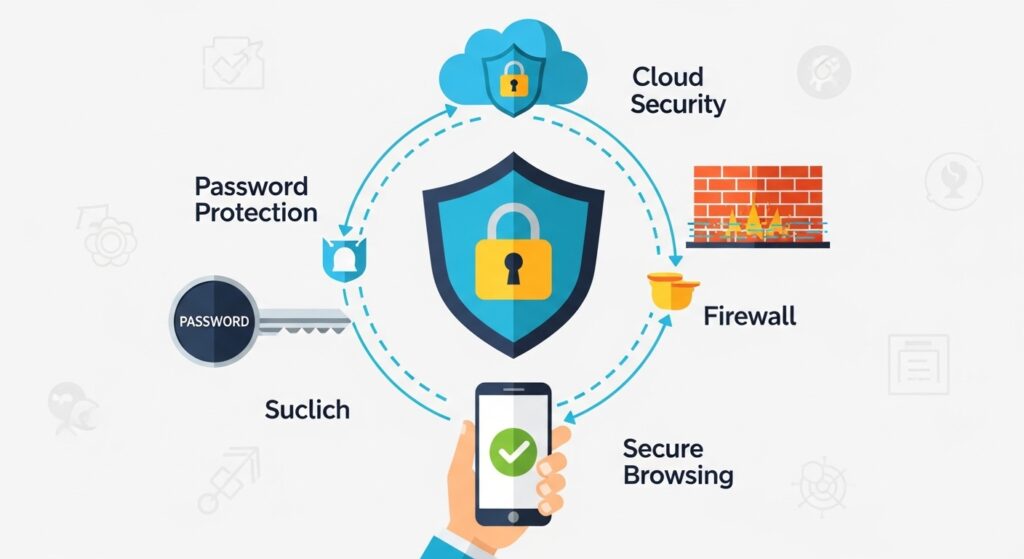
1. What Is an Introductory Cybersecurity Course?
An introductory cybersecurity course online for beginners is a learning program that teaches the fundamentals of digital safety in a clear, non-technical way.
Instead of advanced hacking techniques, beginners learn:
- How cyberattacks happen
- How data gets compromised
- How to protect personal and work information
- How to recognize online risks
It’s like learning the rules of the road before driving a car, you build confidence before complexity.
2. Why Beginners in the USA Are Learning Cybersecurity
Cybersecurity is no longer optional, especially in the USA, where digital services are everywhere.
People are learning cybersecurity because:
- Online banking and shopping are common
- Remote work is growing
- Data breaches affect millions yearly
- Scams target everyday users
Beginners want control, awareness, and confidence, not fear.
3. Who Should Take a Cybersecurity Course for Beginners
This type of course isn’t limited to tech professionals.
Students
Prepare for future careers and digital safety.
Working Professionals
Protect workplace data and personal devices.
Job Seekers
Add valuable skills to resumes.
Non-Technical Users
Understand how to stay safe online.
If you use email, apps, or the internet, you qualify as a learner.
4. What Makes an Online Cybersecurity Course Ideal
Online learning fits modern life perfectly.
Key Benefits
- Learn anytime, anywhere
- Study at your own pace
- No classroom pressure
- Affordable compared to in-person training
For beginners, online courses remove the fear of “falling behind.”
5. Cybersecurity Basics Explained in Simple Language
Let’s simplify common terms beginners often hear.
Cybersecurity
Protecting systems, data, and people online.
Malware
Software designed to harm or spy.
Phishing
Fake emails or messages trying to steal information.
Authentication
Proving your identity online.
Once these basics click, everything else becomes easier.
6. Common Cyber Threats Beginners Should Know
Most cyber threats aren’t complicated, they’re sneaky.
Phishing Emails
Messages pretending to be banks, employers, or services.
Weak Passwords
Easy-to-guess or reused passwords.
Fake Websites
Look real but steal information.
Public Wi-Fi Risks
Unsecured networks exposing data.
According to the Cybersecurity & Infrastructure Security Agency (CISA), many cyber incidents in the USA are preventable with basic awareness. Their beginner-friendly guidance is available here.
Awareness is the strongest first defense.
7. Core Skills Taught in Beginner Cybersecurity Courses
An introductory course focuses on skills you actually use.
Password Safety
Creating strong, unique passwords.
Email Awareness
Recognizing suspicious messages.
Device Protection
Keeping systems updated and locked.
Safe Browsing
Avoiding risky websites and downloads.
These skills apply to both personal and professional life.
8. Why Cybersecurity Is a Life Skill, Not Just a Career Skill
Even if you don’t plan to work in IT, cybersecurity still matters.
Cybersecurity helps you:
- Protect personal data
- Avoid online scams
- Safeguard finances
- Support workplace security
It’s similar to learning basic health habits, useful every day.
9. How Online Courses Make Learning Cybersecurity Easier
Good online courses use:
- Short lessons
- Real-life examples
- Simple explanations
- Clear progression
Instead of memorizing terms, beginners understand why actions matter.
Learning becomes practical, not intimidating.
10. Beginner Mistakes to Avoid When Learning Cybersecurity
Avoid these common pitfalls:
- Trying to learn everything at once
- Skipping foundational topics
- Assuming tools alone are enough
- Getting discouraged by new terms
Cybersecurity is a journey, not a race.
11. How Safelora Supports Beginner Cybersecurity Learning
Safelora is designed to make cybersecurity education accessible and practical.
Their approach emphasizes:
- Beginner-friendly explanations
- Real-world relevance
- Progressive learning paths
- Affordable online access
You can explore Safelora’s cybersecurity learning resources here: Cybersecurity Fundamentals for Professionals: Short & Practical
This internal resource is ideal for beginners in the USA who want clarity without complexity.
12. Measuring Progress in a Cybersecurity Course
You don’t need exams to know you’re improving.
Signs of progress include:
- Recognizing phishing emails quickly
- Understanding why security steps exist
- Feeling confident online
- Making safer digital decisions
Confidence is the clearest indicator of learning.
13. Career and Personal Benefits for Beginners
Career Benefits
- Strong foundational knowledge
- Better job readiness
- Increased digital confidence
Personal Benefits
- Safer online habits
- Reduced risk of scams
- Peace of mind
Cybersecurity knowledge pays off in multiple ways.
14. How to Stay Motivated While Learning Cybersecurity
Staying motivated is easier when:
- Lessons are short
- Progress is visible
- Content feels relevant
Celebrate small wins, every lesson learned makes you safer.
15. Final Thoughts: Your First Step into Cybersecurity
Starting an introductory cybersecurity course online for beginners in the USA is one of the smartest decisions you can make in today’s digital world.
You don’t need to know everything.
You just need to start with the basics.
Small steps lead to strong protection, and confidence follows.
Frequently Asked Questions (FAQs)
1. Is an introductory cybersecurity course suitable for beginners?
Yes, it’s designed specifically for learners with no prior technical experience.
2. Do beginners in the USA need cybersecurity skills?
Absolutely. Cyber threats affect personal, financial, and professional life.
3. How long does a beginner cybersecurity course take?
Many introductory courses can be completed in a few weeks.
4. Do I need coding knowledge to start learning cybersecurity?
No. Coding is not required for beginner-level cybersecurity learning.
5. Is online cybersecurity learning effective for beginners?
Yes, especially when lessons are practical, simple, and well-structured.