

Cyber threats in the United States are growing faster than ever. From small businesses to large corporations, from schools to healthcare providers, cyberattacks now affect everyone, not just IT teams.
That’s why cybersecurity awareness courses online in the USA have become essential, not optional.
Here’s the key thing many people miss: most cyber incidents don’t start with hacking tools or advanced code. They start with people, employees, students, or everyday users who don’t realize a risk until it’s too late.
This guide is written for the general public, employees, managers, and organizations in the USA who want to understand cybersecurity awareness training without technical complexity. Think of cybersecurity awareness like learning road safety, you don’t need to be a mechanic to drive safely, but you do need to know the rules.
Let’s break it down clearly and step by step.
1. What Is Cybersecurity Awareness
Cybersecurity awareness is about teaching people how to recognize and avoid digital risks.
It focuses on:
- Safe online behavior
- Recognizing cyber threats
- Protecting data and accounts
- Responding correctly to incidents
Unlike technical cybersecurity, awareness training is people-focused, not system-focused.
2. Why Cybersecurity Awareness Matters in the USA
The USA is one of the most targeted countries for cybercrime.
Reasons include:
- Large digital economy
- Widespread remote work
- Heavy reliance on online services
- High data value
Cybersecurity awareness helps reduce risks across businesses, government agencies, schools, and households.
3. Who Needs a Cybersecurity Awareness Course
Cybersecurity awareness courses are valuable for:
- Employees in all industries
- Small business owners
- Students and educators
- Remote workers
- Healthcare and finance staff
- Non-technical professionals
If you use email, passwords, or the internet, you need cybersecurity awareness.
4. Why Online Cybersecurity Awareness Training Is Popular
Online courses have become the preferred choice in the USA because they are:
- Flexible and accessible
- Easy to update
- Cost-effective
- Scalable for teams
Online learning fits modern work styles and busy schedules.
5. Common Cyber Threats Faced in the USA
Cybersecurity awareness courses typically cover:
- Phishing emails
- Malware and spyware
- Ransomware
- Identity theft
- Social engineering scams
Understanding these threats helps people recognize danger early.
Read our Related Topic: Simple Cybersecurity Training for Employees: Step-by-Step Guide
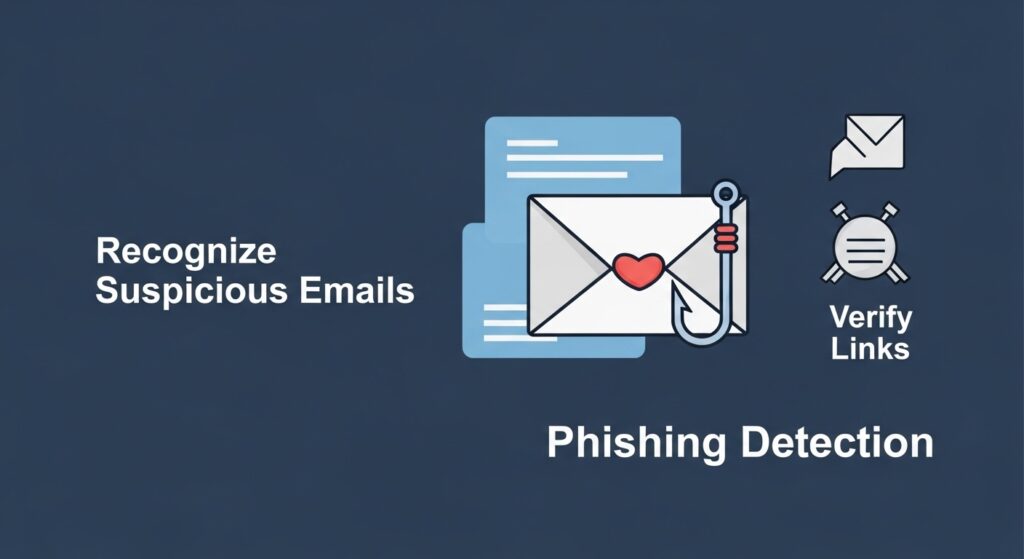
6. Phishing and Email Scams Explained Simply
Phishing is when attackers pretend to be someone you trust.
Examples include:
- Fake bank alerts
- Fake delivery notifications
- Messages pretending to be company executives
It’s like a con artist wearing a familiar uniform. Awareness training teaches people to slow down and verify.
7. Password Safety and Account Protection
Weak passwords are a major problem in the USA.
Cybersecurity awareness teaches:
- Why password reuse is risky
- How long passwords improve safety
- Why multi-factor authentication matters
- How password managers help
Strong passwords protect both work and personal life.
8. Social Engineering: The Human Side of Cybercrime
Social engineering attacks manipulate emotions:
- Urgency
- Fear
- Trust
- Authority
Examples:
- “Your account will be locked”
- “This is your boss—act now”
Awareness training helps people recognize emotional manipulation.
9. Cybersecurity Awareness for Employees
Employees are often the first target.
Training helps employees:
- Handle emails safely
- Protect company data
- Report incidents quickly
- Avoid costly mistakes
Cybersecurity awareness reduces human error across organizations.
10. Cybersecurity Awareness for Remote Workers
Remote work has expanded rapidly in the USA.
Awareness training covers:
- Home Wi-Fi security
- Safe device usage
- Avoiding public Wi-Fi risks
- Separating personal and work activities
Remote awareness training is now essential.
11. Data Protection and Privacy Basics
Employees often handle sensitive information unknowingly.
Awareness courses explain:
- What counts as sensitive data
- How data leaks happen
- Why privacy matters
- Safe data handling habits
Data protection is about trust and responsibility.
12. Ransomware Awareness for Beginners
Ransomware attacks are increasing across the USA.
Awareness training explains:
- How ransomware spreads
- Why employees are targeted
- How early reporting reduces damage
According to guidance from the Cybersecurity & Infrastructure Security Agency (CISA), awareness and training are critical defenses against ransomware and cyber threats.
13. Mobile Device and Wi-Fi Safety
Smartphones and tablets are common attack points.
Awareness training teaches:
- Safe app usage
- Device locking habits
- Wi-Fi security basics
- Why updates matter
Cybersecurity awareness now extends beyond desktops.
14. Compliance and Awareness Training in the USA
Many US regulations emphasize awareness training:
- Data protection laws
- Industry standards
- Cyber insurance requirements
Awareness training supports compliance while reducing risk.
15. What Makes a Good Cybersecurity Awareness Course
A good course should:
- Use simple language
- Avoid technical jargon
- Include real-life examples
- Be short and engaging
- Encourage reporting and questions
Learning should feel helpful, not overwhelming.
16. How Online Courses Help Build Cyber Habits
Effective awareness training:
- Reinforces good habits
- Encourages cautious behavior
- Reduces risky actions
- Builds confidence
Cybersecurity is about daily decisions, not one-time lessons.
17. How Safelora Supports Cybersecurity Awareness
Safelora provides easy-to-understand cybersecurity awareness training designed for US-based learners and global audiences alike.
Safelora focuses on:
- Beginner-friendly content
- Practical scenarios
- Short learning modules
- Real-world relevance
This approach helps learners stay engaged and informed.
18. The Future of Cybersecurity Awareness in the USA
Cybersecurity awareness in the USA will continue to evolve:
- More remote work awareness
- Short, frequent training modules
- Increased focus on human behavior
- Continuous learning models
Organizations that invest in awareness today reduce risks tomorrow.
Conclusion
A cybersecurity awareness course online in the USA is no longer optional, it’s essential. As cyber threats grow more sophisticated, awareness remains one of the most effective and affordable defenses.
Simple training, clear guidance, and practical habits help individuals and organizations stay safe in a digital-first world. When people understand risks and know how to respond, cyber threats lose their advantage.
Cybersecurity awareness isn’t about fear, it’s about confidence and preparedness.
Frequently Asked Questions (FAQs)
1. Who should take a cybersecurity awareness course in the USA?
Anyone who uses email, passwords, or digital systems can benefit.
2. Are online cybersecurity awareness courses effective?
Yes. Online courses are flexible, accessible, and easy to update.
3. Do cybersecurity awareness courses require technical knowledge?
No. They are designed for non-technical users.
4. How long does cybersecurity awareness training take?
Most effective courses are short and focused.5. Is cybersecurity awareness training required in the USA?
Many industries and regulations strongly recommend or require it.