

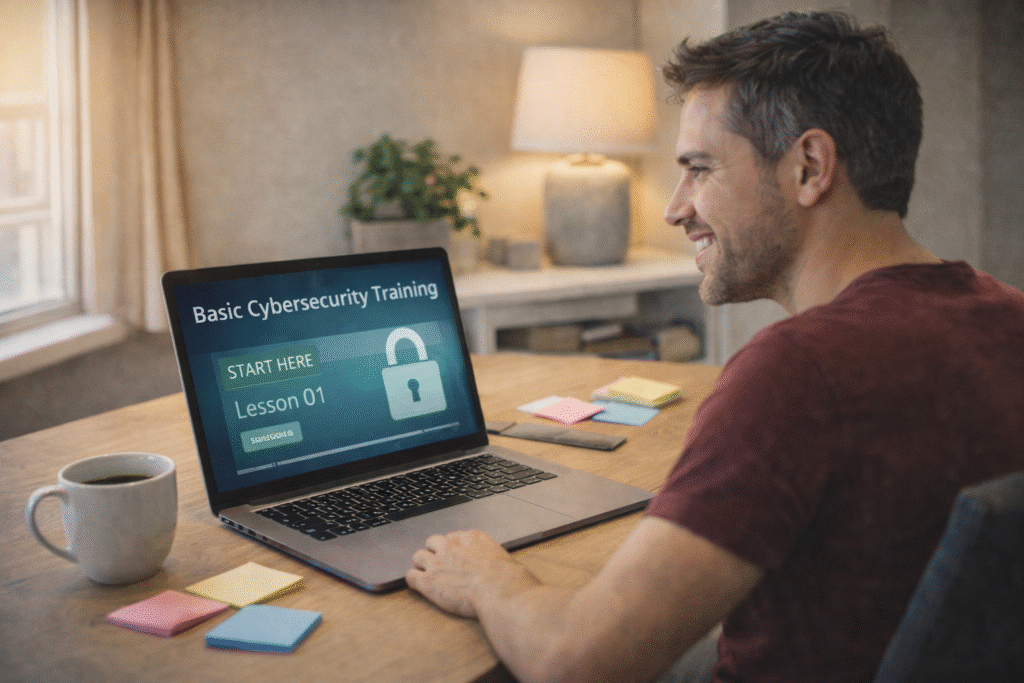
In today’s digital age, data has become one of the most valuable assets. From personal photos and passwords to financial records and business information, almost everything we do online involves data. Unfortunately, this also makes data a prime target for cybercriminals. That’s why basic cybersecurity training for beginners is no longer optional it’s essential.
This article explains why cybersecurity training matters, what beginners need to know, and how simple actions can help protect data starting today.
Why Basic Cybersecurity Training Is Important
Many people believe cyber attacks only target large corporations or tech experts. In reality, beginners and everyday users are often the most vulnerable because attackers exploit lack of awareness rather than technical weaknesses.
Cybercriminals rely on:
- Human error
- Weak passwords
- Unsecured devices
- Lack of cybersecurity awareness
Basic cybersecurity training helps beginners recognize threats early and respond correctly, reducing the risk of data breaches, identity theft, and financial loss.
Understanding the Types of Data That Need Protection
Before learning how to protect data, it’s important to understand what kind of data is at risk.
1. Personal Data
This includes:
- Login credentials
- Personal emails
- Phone numbers
- Social media accounts
- Identity documents
2. Financial Data
Such as:
- Credit and debit card information
- Online banking credentials
- Payment app details
3. Work and Business Data
Including:
- Customer information
- Internal documents
- Company emails
- Login access to business platforms
Cybersecurity training teaches beginners how to protect all these types of data effectively.
Common Cybersecurity Threats Beginners Face
Basic cybersecurity training focuses on real-world threats that beginners encounter daily.
1. Phishing Attacks
Phishing is one of the most common cyber threats. It occurs when attackers send fake emails, messages, or websites that look legitimate to trick users into revealing sensitive information.
Examples include:
- Fake bank emails asking you to verify your account
- Messages pretending to be from delivery companies
- Emails claiming your account is “suspended”
Training helps beginners identify warning signs such as:
- Urgent language
- Unknown senders
- Suspicious links or attachments
2. Weak Passwords
Using simple or repeated passwords is a major security risk. Attackers often use automated tools to guess passwords.
Basic training teaches:
- Why password reuse is dangerous
- How attackers exploit weak passwords
- How to create strong, unique passwords
3. Malware and Viruses
Malware is malicious software designed to damage devices or steal data. Beginners often unknowingly install malware by:
- Downloading free software from untrusted sites
- Clicking malicious ads
- Opening infected email attachments
Cybersecurity training shows how to avoid these risks and protect devices.
4. Unsafe Public Wi-Fi Usage
Public Wi-Fi networks in cafes, airports, and hotels are often unsecured. Attackers can intercept data sent over these networks.
Training explains:
- Why public Wi-Fi is risky
- How to browse safely when using public networks
- When to avoid sensitive transactions
What Does Basic Cybersecurity Training for Beginners Cover?
A well-structured beginner cybersecurity course focuses on simple, practical knowledge that can be applied immediately.
1. Password Security Basics
Learners understand:
- What makes a password strong
- The importance of password managers
- How multi-factor authentication (MFA) adds protection
These lessons alone can prevent many common attacks.
2. Email and Communication Safety
Training covers:
- How to spot fake emails and messages
- What to do if you receive suspicious communication
- How to verify senders safely
Since email is a primary attack vector, this knowledge is critical.
3. Safe Browsing Habits
Beginners learn:
- How to identify secure websites
- Why HTTPS matters
- How to avoid fake websites and pop-ups
- Safe downloading practices
These habits reduce exposure to malware and scams.
4. Device Security Fundamentals
Cybersecurity training teaches how to:
- Keep devices updated
- Use antivirus and firewall tools
- Secure smartphones, laptops, and tablets
- Lock devices properly
Simple device security steps significantly reduce vulnerabilities.
5. Data Backup and Recovery
Beginners also learn:
- Why data backups are important
- How to back up data securely
- How backups help recover from ransomware attacks
Backups ensure that data is never permanently lost.
Simple Steps You Can Take to Protect Data Today
Even without advanced knowledge, beginners can improve their cybersecurity immediately.
Use Strong, Unique Passwords
Avoid using the same password across multiple accounts.
Enable Multi-Factor Authentication
Add an extra layer of security wherever possible.
Think Before You Click
Avoid clicking links or downloading attachments from unknown sources.
Keep Software Updated
Updates often fix security vulnerabilities.
Back Up Important Data
Use secure cloud storage or external drives.
These small actions create a strong foundation for cybersecurity.
Who Should Take Basic Cybersecurity Training?
Basic cybersecurity training is useful for:
- Students and educators
- Office employees
- Remote workers
- Freelancers
- Small business owners
- Anyone who uses the internet
You don’t need technical skills just the willingness to learn.
Why Online Cybersecurity Training Works Best for Beginners
Online cybersecurity training offers flexibility and accessibility.
Benefits include:
- Learning at your own pace
- Simple explanations without technical jargon
- Practical examples based on real threats
- Interactive quizzes and scenarios
Platforms like Safelora.com focus on beginner-friendly cybersecurity education that fits modern lifestyles.
How Cybersecurity Training Builds Long-Term Awareness
Cybersecurity is not just a skill it’s a mindset. Training helps beginners:
- Develop safer online habits
- Recognize threats faster
- Respond calmly to suspicious activity
- Reduce the risk of costly mistakes
Over time, awareness becomes second nature.
Final Thoughts
Cyber threats are growing, but so is the importance of awareness. Basic cybersecurity training for beginners empowers individuals to protect their data, devices, and digital identities.
By understanding common threats and applying simple security practices, beginners can significantly reduce their exposure to cyber risks starting today.
If you’re ready to take control of your online safety, explore beginner-friendly cybersecurity training at: 👉 https://Safelora.com/
FAQs
Basic cybersecurity training teaches simple steps to protect personal and business data from cyber threats like phishing and malware.
Beginners are often targeted by cybercriminals due to lack of awareness. Training helps prevent data loss and online scams.
Phishing emails, weak passwords, malware, unsafe public Wi-Fi, and fake websites are the most common threats.
Yes, most cyber attacks succeed due to human error. Basic training significantly reduces this risk.
Anyone who uses the internet, including students, employees, freelancers, and small business owners.